1886
Birth
Benz Patent-Motorwagen
Carl Benz's patent marks the transition from mechanical experimentation to the automobile as an autonomous object.
A journey through inventions, roads and stories that shaped mobility: from 1886 to the landmark moments of the automobile in Morocco.
The timeline organises the major turning points of the automobile and connects them to Moroccan landmarks: the first Daimler delivered to Sultan Hassan I in 1892, the Rabat-Casablanca race in 1912, the Rallye du Maroc in 1926 and the Casablanca Grand Prix in 1958.
Each milestone becomes a mediation tool: technical invention, social use, a link to the Museum collection and a possible continuation in the Media Room.
Carl Benz's patent marks the transition from mechanical experimentation to the automobile as an autonomous object.
Mass production turns the car into a social phenomenon and permanently transforms mobility.
A roughly 90 km route placed Morocco very early in the sporting and road history of the automobile.
The competition becomes a national narrative of roads, endurance and mechanical mastery.
The DS imposes an almost architectural vision of the car: comfort, aerodynamics and modernity.
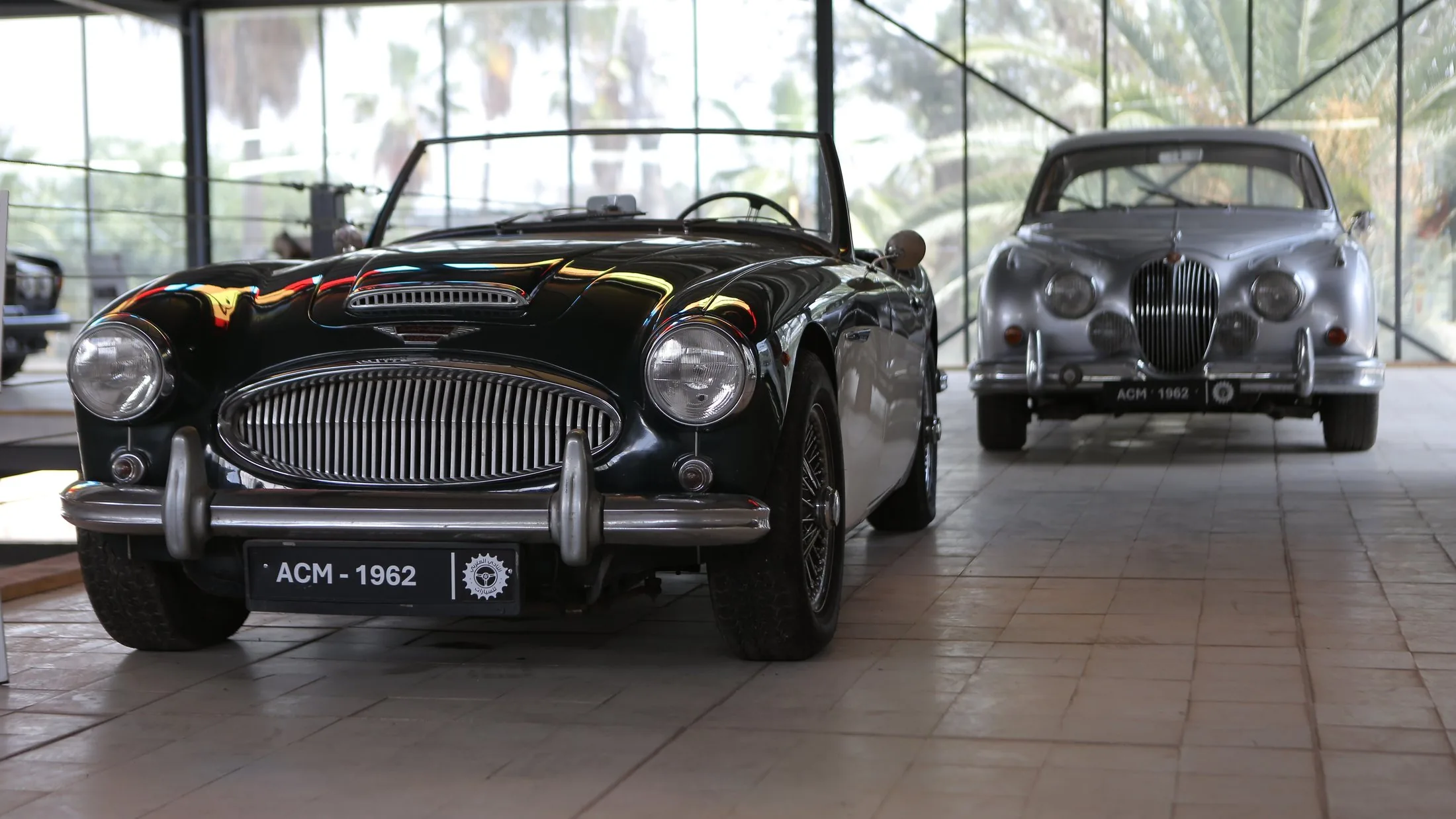
German engineering meets a sculptural presence that has become a collection icon.
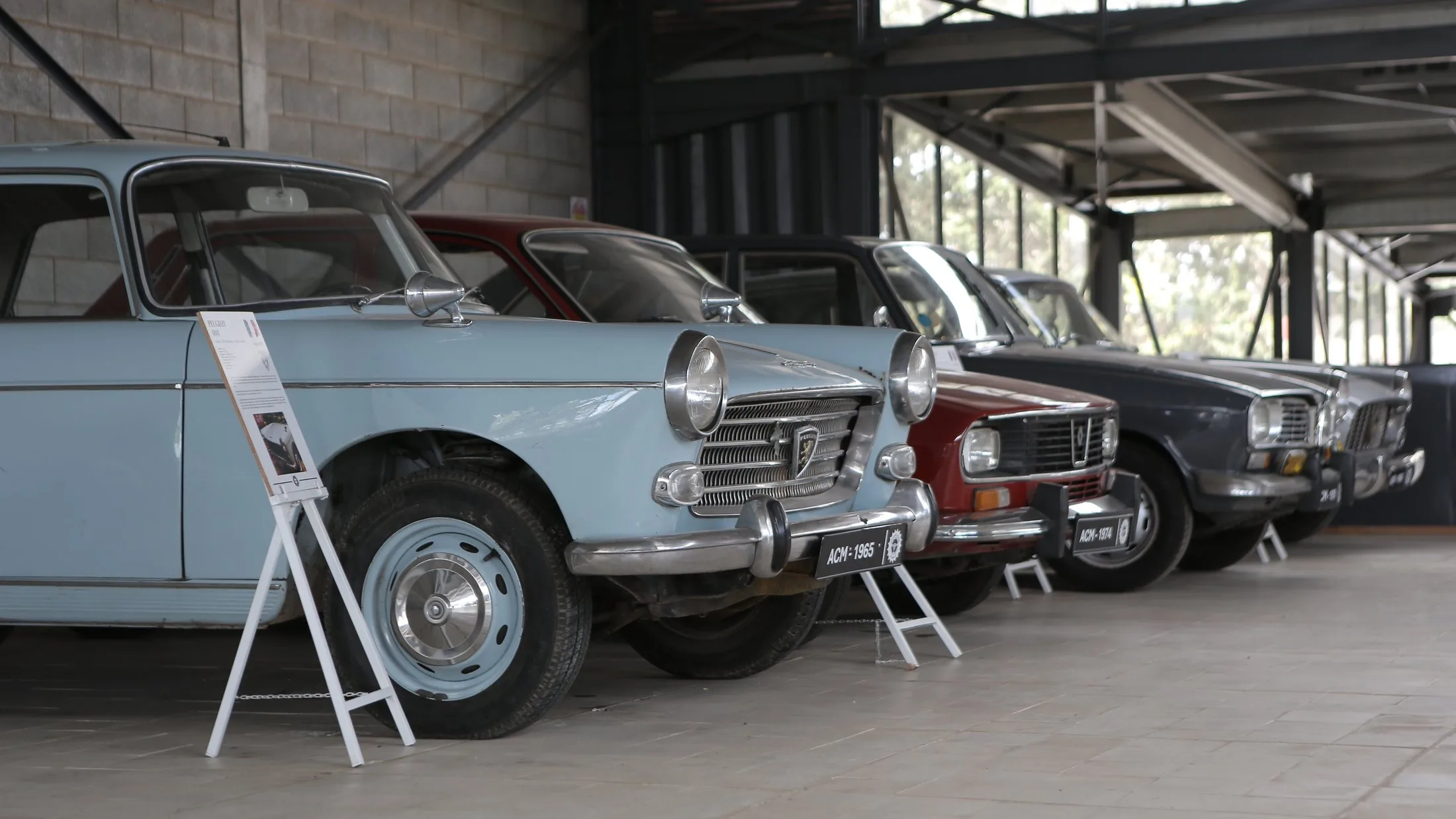
A long, low, unmistakable line: the sports car becomes a cultural icon.
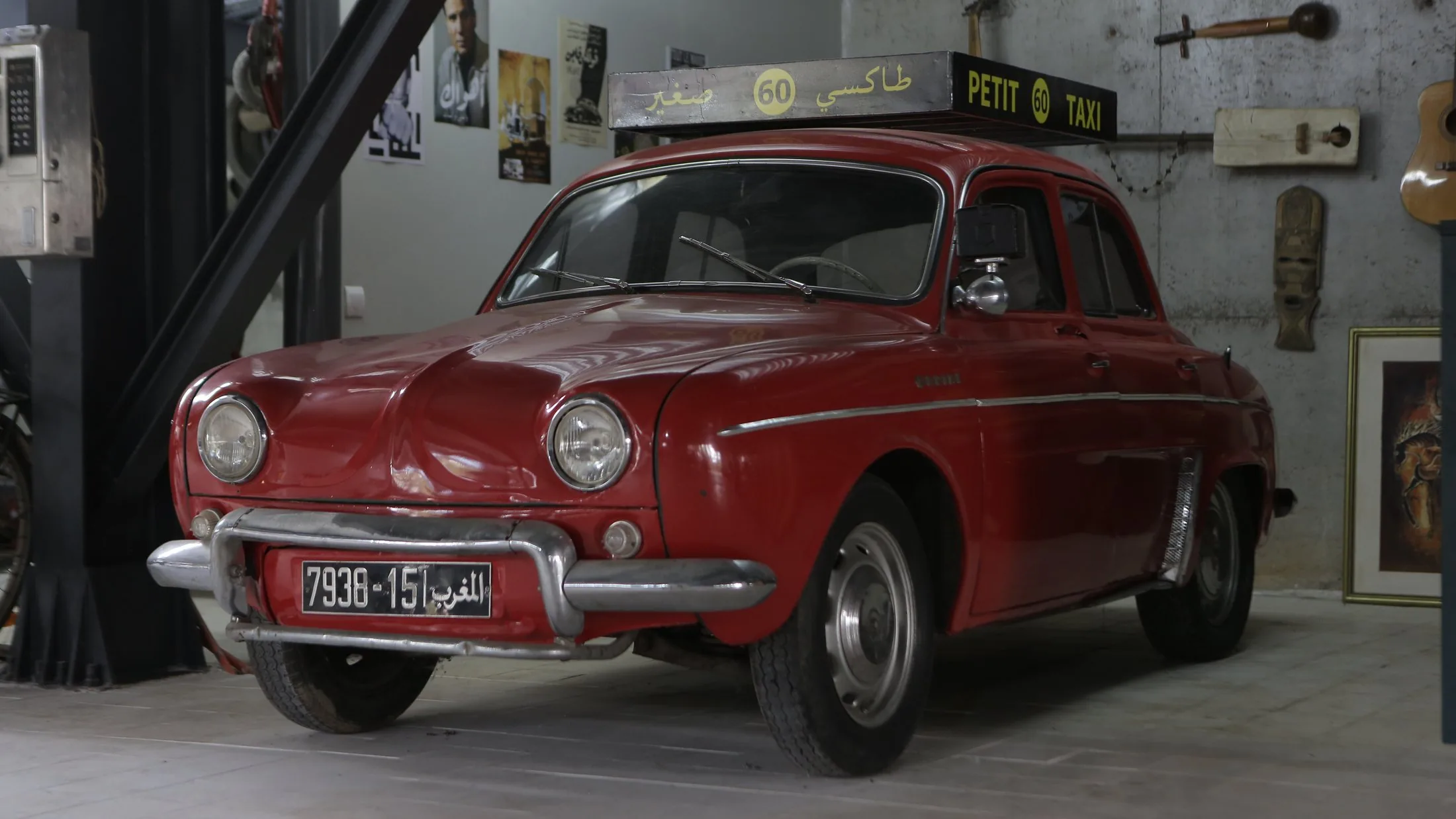
Italian grand touring becomes a language of rarity, elegance and performance.
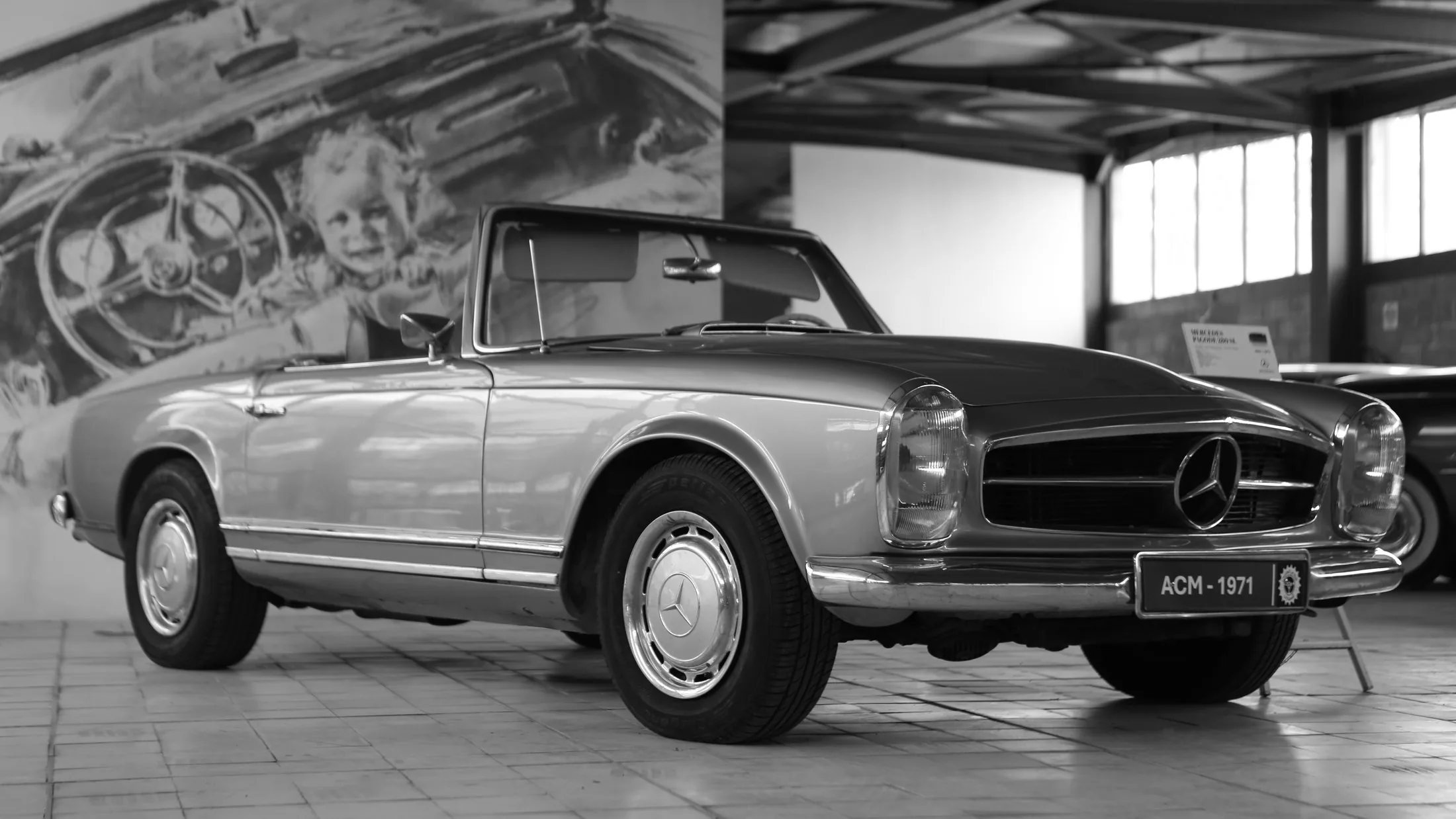
The Pagoda embodies a discreet, powerful and instantly recognisable silhouette.
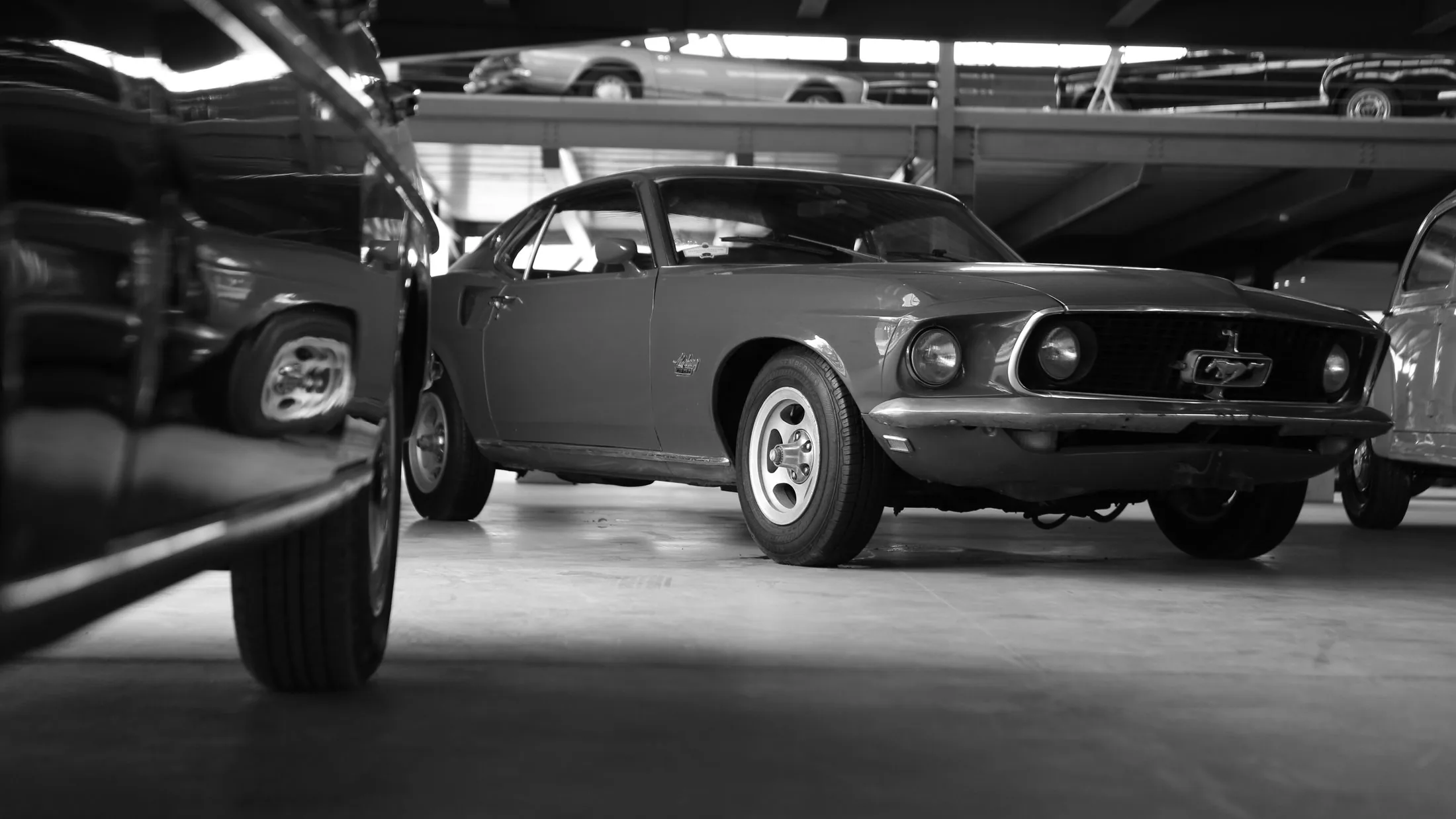
The American coupe opens up a new mythology: accessible, expressive and energetic.
In Morocco, heritage motoring meets roads, gatherings, collectors, workshops and the urban elegance of Casablanca. The Museum turns this heritage into a living place: museum, collection, dining, academy and events.
View the museum collectionThe timeline connects each period to vehicles in the collection, turning every model into a chapter of history.